



Wild birds and poultry
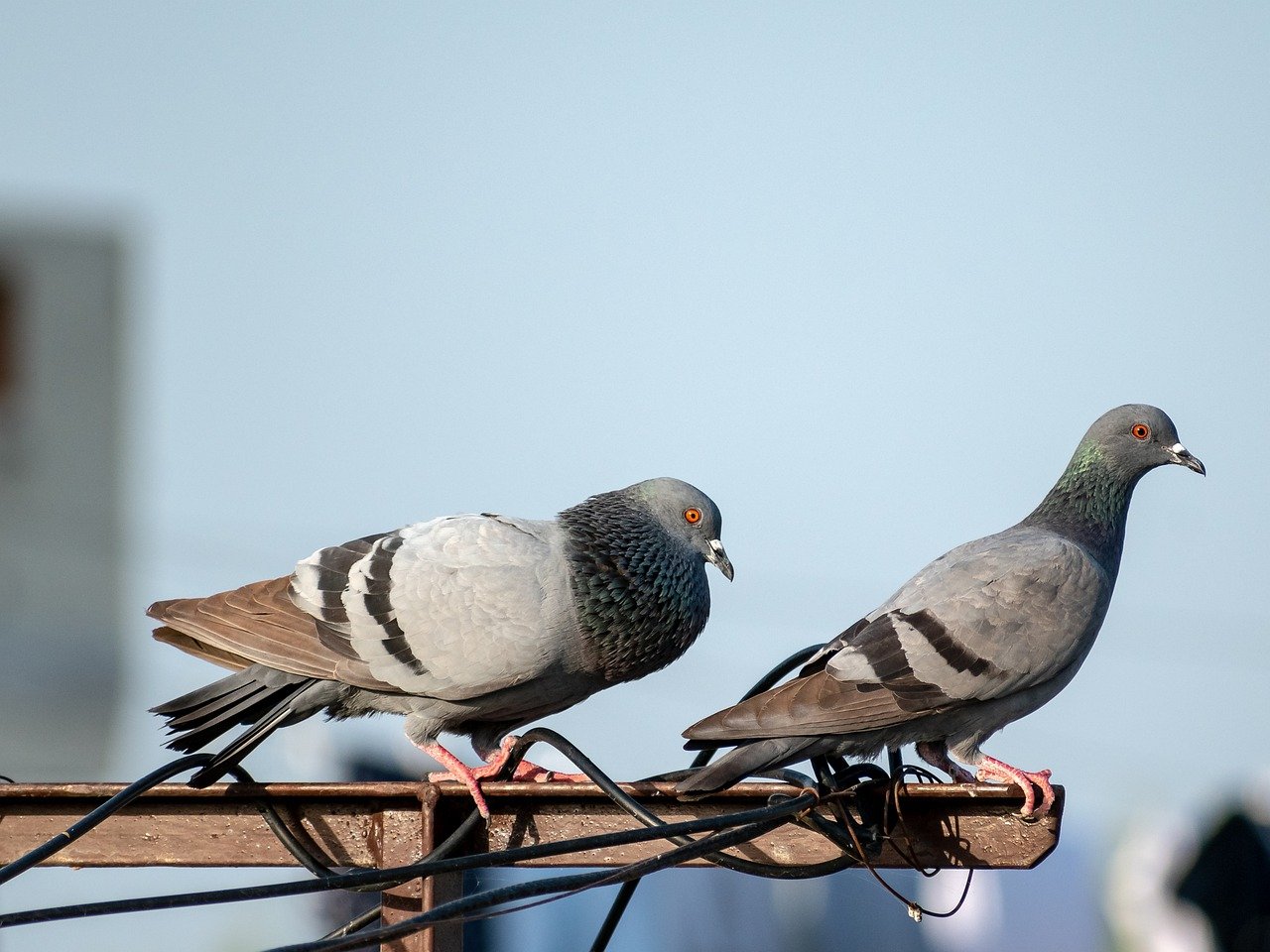
Between 29 November 2025 and 27 February 2026, authorities reported 406 outbreaks of HPAI in domestic birds and 2,108 in wild birds across 32 European countries. While detections in domestic birds were similar to the same quarter in the past two years, detections in wild birds were three times higher than last year and almost five times higher than two years ago – a legacy of the unusually intense autumn–winter peak. Since December, detections have moved onto a downward trajectory, in line with the expected seasonal pattern towards spring.
On poultry farms, most infections stemmed from indirect contact with wild birds and spread from farm to farm was rare. These findings underscore the importance of applying strong biosecurity measures to limit introduction from wildlife and farm-to-farm spread.
Mammals
While overall trends in cases in birds have declined since December, there has been a small rise in detections in mammals. For the first time in the EU, serology in an apparently healthy dairy cattle herd indicated past exposure Concentration or amount of a particular substance that is taken in by an individual, population or ecosystem in a specific frequency over a certain amount of time to HPAI, suggesting a possible spillover from wild birds. Follow-up investigations are under way.
O artigo foi publicado originalmente em EFSA.